10PCS Silicone Baby Feeding Set: Less Mess, Better Self-Feeding
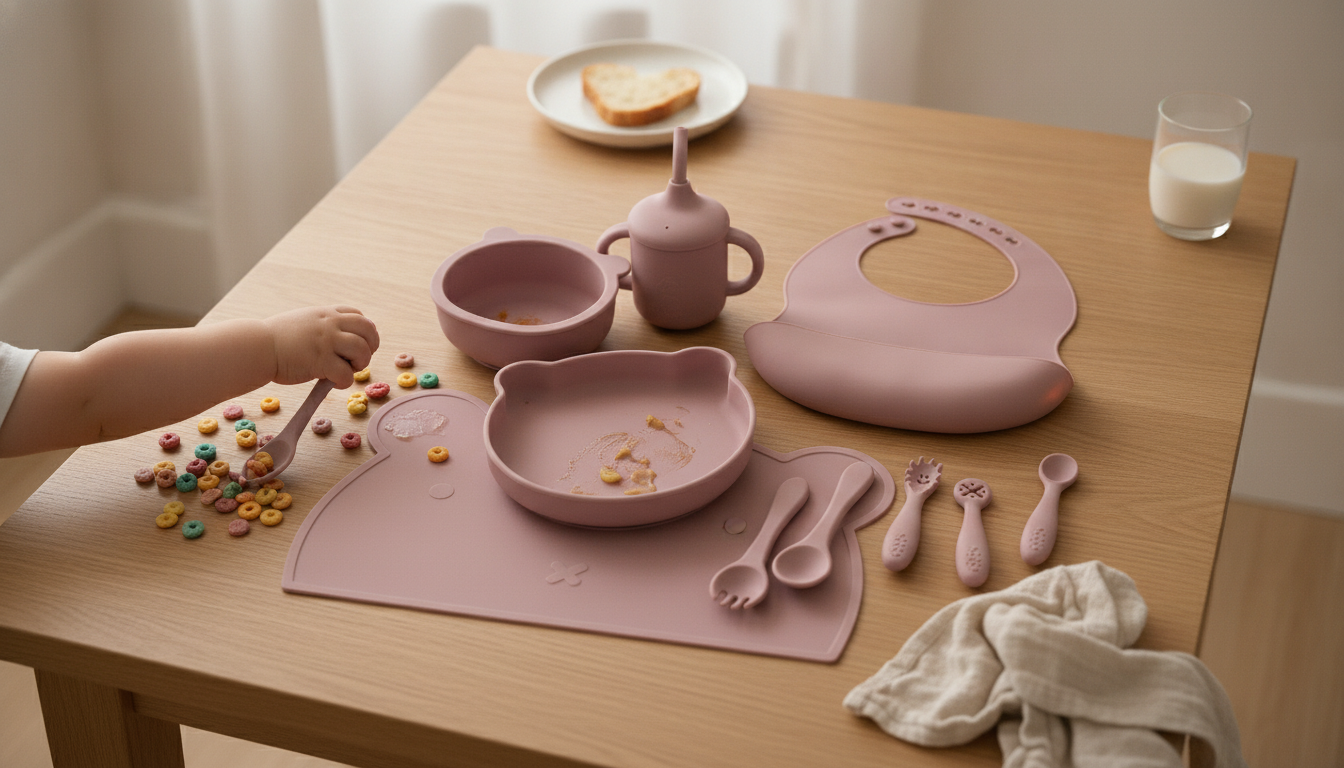
10PCS Silicone Baby Feeding Set for Cleaner, Easier Self-Feeding
Mealtimes get simpler when baby tools are designed to stay put, feel comfortable in little hands, and clean up quickly. A complete silicone feeding set helps reduce spills and confusion by keeping the everyday essentials—bowl, plate, bib, cup, and utensils—ready for purees through early toddler meals. With a consistent setup, babies can focus on learning to eat while parents spend less time chasing dishes across the high-chair tray. For more guidance, see Silicone Baby Feeding Set.
What’s Included and What Each Piece Helps With
A well-rounded feeding set covers the messy middle between first tastes and confident toddler bites. Here’s how each piece earns its spot at the table. For further reading, see Suction Bowl, Plate, Spoon, Fork, Sippy Cup & Bib (Blue-White).
- Suction bowl: Supports thicker purees, oatmeal, yogurt, and small portions without sliding across the tray.
- Suction plate: Encourages finger foods and portion separation while reducing plate flips.
- Silicone bib: Catches crumbs and drips; adjustable neck for comfort as baby grows.
- Cup: Supports early sipping; helpful for practicing water with meals.
- Utensils (spoon/fork): Sized for small hands and softer mouths; supports self-feeding practice.
- Set-based routine: Keeping the same tools day-to-day can lower fussiness and speed up prep.
Quick guide to matching pieces with meal stages
| Stage | Common foods | Most helpful pieces | Tip |
|---|---|---|---|
| First tastes (around 6+ months, as advised) | Smooth purees, thin cereal | Suction bowl, soft spoon, bib | Start with small portions; keep the bowl near the center of the tray. |
| Thicker textures | Mashed foods, yogurt, oatmeal | Bowl, spoon, bib | Preload the spoon and let baby bring it to the mouth. |
| Finger foods | Soft fruit, steamed veg, small pasta | Suction plate, bib | Offer a few pieces at a time to reduce sweeping and tossing. |
| Early sipping | Water with meals | Cup | Offer tiny amounts and supervise closely; keep the cup within reach. |
| Toddler meals | Mixed textures, snacks | Plate, utensils, bib | Keep portions small and refill; it’s usually less messy than a full plate. |
Why Silicone Can Work Well for Baby Feeding Gear
Silicone feeding items are popular for practical reasons that show up in everyday use—especially during the “drop, swipe, fling” learning phase.
- Gentle feel: Silicone is typically softer than hard plastic or metal, which can be more comfortable during early utensil practice.
- Grip and stability: Silicone surfaces and suction bases can help resist sliding on smooth high-chair trays.
- Temperature awareness: Silicone can feel less “cold” than metal and is often comfortable for everyday use.
- Everyday durability: Designed to handle frequent washing and repeated drops common during feeding practice.
- Practical for on-the-go: Lightweight set pieces can travel more easily than bulkier dishware.
For more background on how food-contact materials are regulated in the U.S., the U.S. FDA overview of food contact substances is a helpful reference.
Using Suction Pieces So They Actually Stay Put
Suction only works as well as the surface and the seal. A few small adjustments can make a noticeable difference.
- Start with the right surface: Suction works best on clean, smooth, flat surfaces; textured or curved trays reduce holding power.
- Clean both sides: Wipe the tray and the suction base to remove oils, crumbs, and soap residue that can break the seal.
- Press and hold: Press down firmly at the center, then test by lifting the edge slightly to confirm a seal.
- Positioning matters: Place the bowl/plate where baby’s reach is natural to reduce dragging and twisting.
- Teach a gentle “hands down” habit: Redirect pulling to tapping, scooping, and pointing to build better mealtime behavior.
Comfort and Fit: Bib, Utensils, and Cup Basics
Comfort is a big part of whether baby will tolerate practice long enough to build skill. These small setup details can keep the focus on eating.
- Bib fit: Choose a snug-but-comfortable neck setting; too loose increases drips into the lap, too tight can cause fussiness.
- Catch pocket technique: Lightly open the pocket before meals so it sits forward and catches more food.
- Utensil practice: Start with a spoon for soft foods; introduce a fork once textures are more stable and baby can manage poking.
- Cup routine: Offer small sips during calm moments; avoid overfilling to reduce sudden spills.
- Consistency: Repeating the same cup and utensils supports skill-building faster than switching styles daily.
If you’re unsure about timing and readiness for solids, the American Academy of Pediatrics guidance on starting solid foods is a solid starting point for safety and milestones.
Cleaning, Care, and Safe Everyday Use
A Simple Mealtime Setup That Reduces Mess
Shop Helpful Items for Daily Routines
- 10PCS Silicone Baby Feeding Set with Suction Bowl Plate Bib Cup & Utensils ($33.67)
- Using AI to Organize Kids’ Schedule | Digital Guide for Parents on How to Use AI to Organize Family Schedule ($7.99)
- Toddler Night Wake Guide | Gentle Sleep Strategies for Parents ($11.99)
FAQ
At what age can a baby start using a suction bowl and utensils?
Readiness for solids varies, but many babies begin around 6 months when they can sit with support and show interest in food. Follow your pediatrician’s guidance and supervise closely during all meals.
Why isn’t the suction sticking to the high-chair tray?
Suction works best on smooth, flat, clean surfaces—textured trays often break the seal. Wipe both the tray and the suction base to remove oils or soap residue, press firmly to set the seal, and try a different spot (or a smooth placemat) if needed.
How should silicone feeding items be cleaned and checked over time?
Wash items according to the product’s care instructions and avoid abrasive scrubbers that can roughen the surface. Rinse soon after meals and regularly inspect for tears, warping, or damage; replace anything that looks compromised.










Leave a comment